Embark on a culinary journey to the heart of Thailand with our Thai Wheat Noodles Recipe. Immerse yourself in the vibrant flavors, aromatic spices, and authentic cooking techniques that define this beloved dish. Whether you're a seasoned chef or a home cook looking to expand your culinary horizons, this guide will empower you to create an authentic Thai wheat noodle experience.
From selecting the perfect ingredients to mastering the art of noodle making, this comprehensive guide covers every aspect of preparing this tantalizing dish. Get ready to tantalize your taste buds and impress your loved ones with a culinary masterpiece.
Introduction
Thai wheat noodles, a beloved staple in Thai cuisine, are a culinary delight that tantalizes taste buds and embodies the vibrant flavors of Thailand. These noodles, known as "ba-mee" or "guay tiao," are made from wheat flour and come in various shapes and sizes, each contributing a unique texture and culinary experience to Thai dishes.
The popularity of Thai wheat noodles stems from their versatility and adaptability. They can be incorporated into a wide array of dishes, from savory soups and stir-fries to refreshing salads and even desserts. Their neutral flavor profile makes them an ideal canvas for a multitude of sauces, spices, and ingredients, allowing them to absorb and complement the diverse flavors of Thai cuisine.
Ingredients

Making a delicious plate of Thai wheat noodles requires a careful selection of ingredients that blend together to create a harmonious flavor profile. Let's dive into the essential components that will bring your dish to life:
Noodles
- Wheat noodles: 1 pound, cooked according to package instructions. These noodles provide the base for the dish and soak up the savory flavors of the sauce.
- Sesame oil: 1 tablespoon, used to coat the noodles and prevent them from sticking together.
Vegetables
- Broccoli florets: 1 cup, cut into bite-sized pieces. Broccoli adds a vibrant green color and a satisfying crunch.
- Carrots: 1 cup, sliced into thin strips. Carrots provide a touch of sweetness and a bright orange hue.
- Bell peppers: 1 cup, sliced into thin strips. Bell peppers add a mix of colors and a slightly sweet flavor.
- Onion: 1/2 cup, thinly sliced. Onions provide a pungent aroma and a savory base.
- Garlic: 3 cloves, minced. Garlic adds a depth of flavor and a hint of spiciness.
- Ginger: 1 tablespoon, minced. Ginger adds a warm and zesty flavor.
Sauces
- Soy sauce: 1/4 cup, adds a salty and umami flavor.
- Oyster sauce: 1/4 cup, adds a rich and savory flavor.
- Fish sauce: 1 tablespoon, adds a pungent and salty flavor.
- Brown sugar: 1 tablespoon, adds a touch of sweetness.
- Rice vinegar: 1 tablespoon, adds a hint of acidity and brightness.
- Chili oil: 1 teaspoon (optional), adds a touch of heat.
Cooking Equipment
To embark on your culinary adventure with Thai wheat noodles, you'll need an arsenal of essential cooking equipment. Each tool plays a specific role in transforming raw ingredients into a delectable dish.
Let's dive into the equipment you'll need and their indispensable purposes:
Wok
- A wok is the quintessential piece of equipment for Thai cuisine. Its wide, curved shape allows for efficient heat distribution, ensuring even cooking and preventing scorching.
- Use the wok for stir-frying, steaming, and deep-frying. Its high sides prevent splatters and contain ingredients.
Heat-resistant Spatula, Thai Wheat Noodles Recipe
- A heat-resistant spatula is your trusty companion in the wok. Its flexible blade glides effortlessly under noodles and ingredients, preventing them from sticking.
- Choose a spatula made of materials like silicone or bamboo that can withstand high temperatures.
Knife
- A sharp knife is essential for slicing and dicing ingredients precisely. A chef's knife or a smaller paring knife can handle most tasks.
- Ensure your knife is sharp for clean cuts and to prevent tearing ingredients.
Measuring Cups and Spoons
- Accurate measurements are crucial for Thai cooking. Measuring cups and spoons help you achieve the perfect balance of flavors.
- Use measuring cups for liquids and measuring spoons for dry ingredients.
Mixing Bowls
- Mixing bowls are your canvas for combining ingredients. Choose bowls of various sizes to accommodate different quantities.
- Use bowls made of materials like glass, stainless steel, or plastic that can withstand mixing and marinating.
Step-by-Step s
Cooking Thai wheat noodles is a delightful culinary adventure that's easier than you think. Follow these steps, and you'll be savoring this flavorful dish in no time!
First, let's get the noodles ready. In a large pot, bring salted water to a boil. Add the wheat noodles and cook according to the package instructions. Once they're al dente, drain them in a colander and rinse them under cold water to stop the cooking process.
Making the Sauce
Now, let's create the tantalizing sauce that will bring your noodles to life. In a small bowl, whisk together soy sauce, brown sugar, rice vinegar, sesame oil, garlic powder, and ginger powder. Set aside for later.
Assembling the Dish
It's time to assemble your culinary masterpiece. In a large bowl, combine the cooked noodles, the prepared sauce, and any additional toppings you desire, such as chopped vegetables, herbs, or protein. Toss everything together until the noodles are evenly coated.
Variations
Thai wheat noodles offer a versatile culinary canvas, inviting experimentation and creativity. Various ingredients and techniques can transform their flavor and presentation, giving rise to a diverse array of popular variations.
One notable variation is Pad See Ew, where flat rice noodles are stir-fried with a savory sauce made from soy sauce, oyster sauce, and sweet dark soy sauce. The addition of Chinese broccoli, egg, and sometimes seafood further enhances its taste and texture.
Pad Kee Mao
Another beloved variation is Pad Kee Mao, also known as "drunken noodles." This dish features wide rice noodles stir-fried in a spicy sauce made with chili paste, soy sauce, fish sauce, and garlic. The noodles are typically accompanied by vegetables such as bell peppers, onions, and basil, resulting in a vibrant and flavorful creation.
Serving Suggestions: Thai Wheat Noodles Recipe
:max_bytes(150000):strip_icc()/easy-pad-thai-recipe-3217105-Final-5b9c205446e0fb002426190b.jpg "Noodles udon uncooked")
In Thailand, wheat noodles are typically served as a main course or a side dish. They can be served hot or cold, and can be topped with a variety of ingredients, such as vegetables, meat, and sauces.
Craving a taste of Thailand? Try this Thai Wheat Noodles Recipe that'll tantalize your taste buds with its savory flavors. If you're looking for something a bit different, check out the Pf Chang'S Fried Rice Recipe . Its aromatic blend of spices and vegetables will transport you to the bustling streets of Asia.
But don't forget to come back and savor the authentic flavors of our Thai Wheat Noodles Recipe!
Some traditional ways to serve Thai wheat noodles include:
- Pad see ew: A stir-fried noodle dish made with soy sauce, oyster sauce, and vegetables.
- Khao soi: A noodle soup made with coconut milk, curry paste, and chicken or beef.
- Yen ta fo: A noodle soup made with a sour and spicy broth, tofu, and vegetables.
When serving Thai wheat noodles, it is common to offer a variety of complementary dishes and garnishes, such as:
- Vegetables: Bean sprouts, carrots, onions, and cilantro are common vegetables that are served with Thai wheat noodles.
- Meat: Chicken, pork, and beef are common meats that are served with Thai wheat noodles.
- Sauces: Soy sauce, oyster sauce, and chili sauce are common sauces that are served with Thai wheat noodles.
By following these serving suggestions, you can create a delicious and authentic Thai wheat noodle dish that your friends and family will love.
Nutritional Information
Thai wheat noodles, also known as "ba mee," offer a unique blend of flavors and textures while providing essential nutrients. These noodles are a good source of carbohydrates, providing energy for daily activities. They also contain moderate amounts of protein, which is crucial for building and repairing tissues.
Micronutrients
Thai wheat noodles are fortified with various micronutrients, including:
- Iron: Essential for oxygen transport and red blood cell production.
- Thiamin (Vitamin B1): Plays a vital role in energy metabolism.
- Riboflavin (Vitamin B2): Involved in energy production and cell growth.
- Niacin (Vitamin B3): Supports skin health, digestion, and nervous system function.
Health Benefits
Consuming Thai wheat noodles in moderation can offer several health benefits:
- Energy Boost: The carbohydrates in these noodles provide a quick source of energy, making them an excellent choice for pre- or post-workout meals.
- Tissue Repair: The protein content aids in building and repairing tissues, supporting muscle growth and recovery.
- Improved Circulation: The iron in Thai wheat noodles helps prevent anemia and promotes healthy blood flow.
Cultural Significance
Thai wheat noodles are more than just a dish; they are a symbol of Thai culture and traditions. Their history is deeply intertwined with the country's festivals, beliefs, and social customs.
In ancient times, wheat noodles were introduced to Thailand by Chinese traders. Over time, they became an integral part of Thai cuisine, taking on a unique Thai twist. Today, they are a staple food, enjoyed by people of all ages and backgrounds.
Festivals and Celebrations
Thai wheat noodles play a significant role in many Thai festivals and celebrations. For example, during the Songkran Festival (Thai New Year), people eat khao soi, a northern Thai noodle dish, as a symbol of cleansing and renewal.
Health Benefits
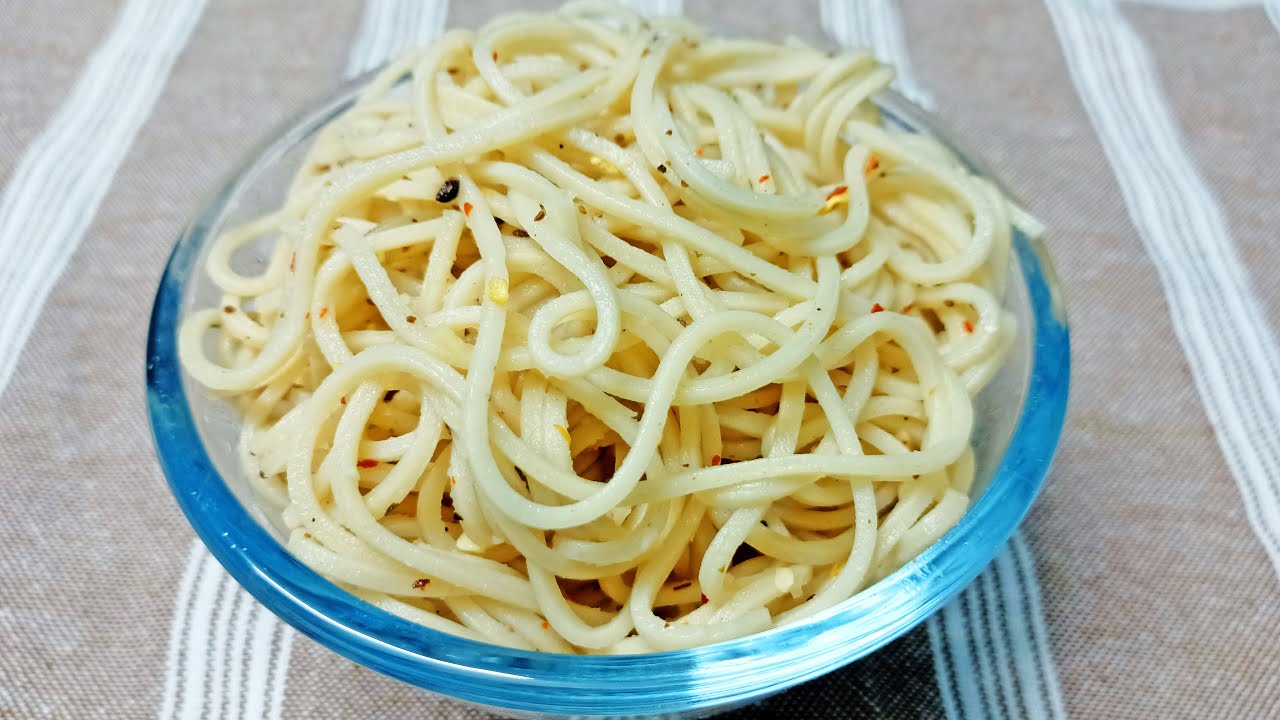
Thai wheat noodles offer an array of potential health benefits due to their composition of nutritious ingredients. Consuming these noodles may contribute to overall well-being and provide essential nutrients for the body.
The wheat flour used in making these noodles is a good source of carbohydrates, providing energy for the body. It also contains fiber, which aids in digestion and promotes a feeling of fullness. Additionally, wheat noodles are a source of B vitamins, including thiamin, riboflavin, and niacin, which are essential for energy metabolism and nervous system function.
Whole Wheat Noodles
Choosing whole wheat noodles over refined wheat noodles further enhances the health benefits. Whole wheat noodles contain higher amounts of fiber, vitamins, and minerals, including iron, zinc, and magnesium. These nutrients contribute to overall health and may reduce the risk of chronic diseases such as heart disease, type 2 diabetes, and some types of cancer.
Culinary Techniques
Thai wheat noodles are prepared using a combination of culinary techniques that enhance their flavor, texture, and appearance. These techniques include stir-frying, steaming, and boiling.
Stir-frying is a quick-cooking method that involves tossing ingredients in a hot wok or pan with a small amount of oil. This technique is commonly used to prepare Pad See Ew, a popular Thai noodle dish. Stir-frying creates a smoky flavor and caramelizes the noodles, resulting in a slightly crispy exterior and a tender interior.
Steaming
Steaming is a gentle cooking method that involves placing ingredients in a steamer basket over boiling water. This technique is often used to prepare noodle soups and other dishes where the noodles need to be cooked through without becoming mushy. Steaming preserves the delicate texture of the noodles and allows them to absorb the flavors of the broth or sauce.
Indulge in the savory delights of Thai Wheat Noodles Recipe, a culinary masterpiece that tantalizes your taste buds. As the spicy flavors dance on your palate, transport yourself to a tropical paradise with a refreshing Spicy Mango Margarita Recipe . The sweet and tangy notes of mango harmoniously complement the bold spices, creating a symphony of flavors that will leave you craving for more.
Return to the savory realm with Thai Wheat Noodles Recipe, where the chewy noodles and aromatic broth will satisfy your hunger and leave you utterly contented.
Boiling
Boiling is a simple but effective cooking method that involves submerging ingredients in boiling water. This technique is commonly used to prepare noodles for salads or other dishes where they will be served cold. Boiling the noodles until they are al dente, or slightly firm to the bite, ensures that they will retain their shape and texture when chilled.
Noodle Making Process
Crafting wheat noodles from scratch is an art form that requires patience, skill, and a touch of culinary magic. Let's delve into the intricate steps involved in transforming simple ingredients into delectable strands of noodle goodness.
The process begins with mixing together wheat flour, water, and a pinch of salt to form a dough. The dough is then kneaded vigorously until it becomes smooth and elastic. This step is crucial as it develops the gluten in the flour, giving the noodles their characteristic chewy texture.
Shaping and Cutting the Noodles
Once the dough is ready, it's time to shape and cut the noodles. This can be done using a variety of techniques, each resulting in a different noodle style.
- Rolling and Cutting: The dough is rolled out into a thin sheet and then cut into strips using a knife or a pasta machine.
- Hand-Pulling: The dough is stretched and pulled by hand until it forms thin, long strands.
- Extruding: The dough is forced through a die with small holes to create uniform, machine-cut noodles.
Final Summary
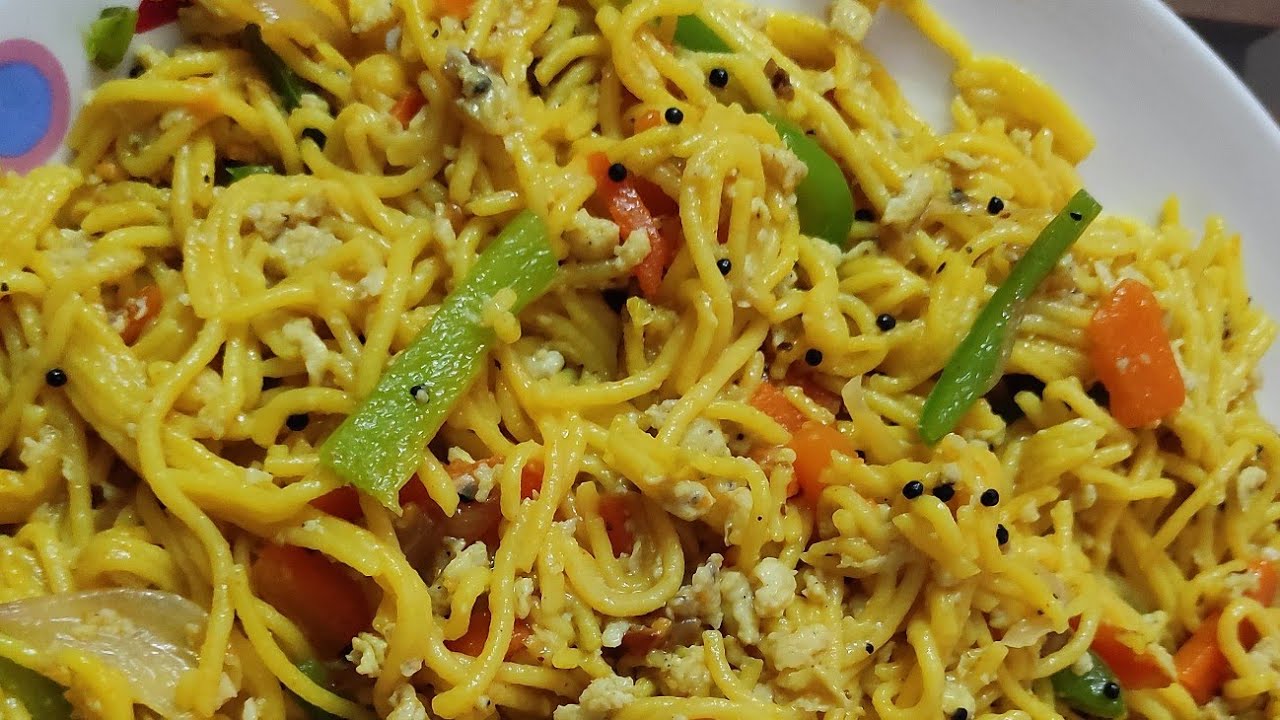
As you savor the last bite of your homemade Thai wheat noodles, take a moment to appreciate the culinary journey you've embarked on. From understanding the cultural significance to mastering the cooking techniques, you've not only created a delicious meal but also gained a deeper appreciation for the vibrant flavors of Thailand. Remember, cooking is not just about following instructions; it's about experimenting, exploring, and creating memories that will last a lifetime. Keep experimenting with different ingredients and techniques, and let your culinary adventures continue.